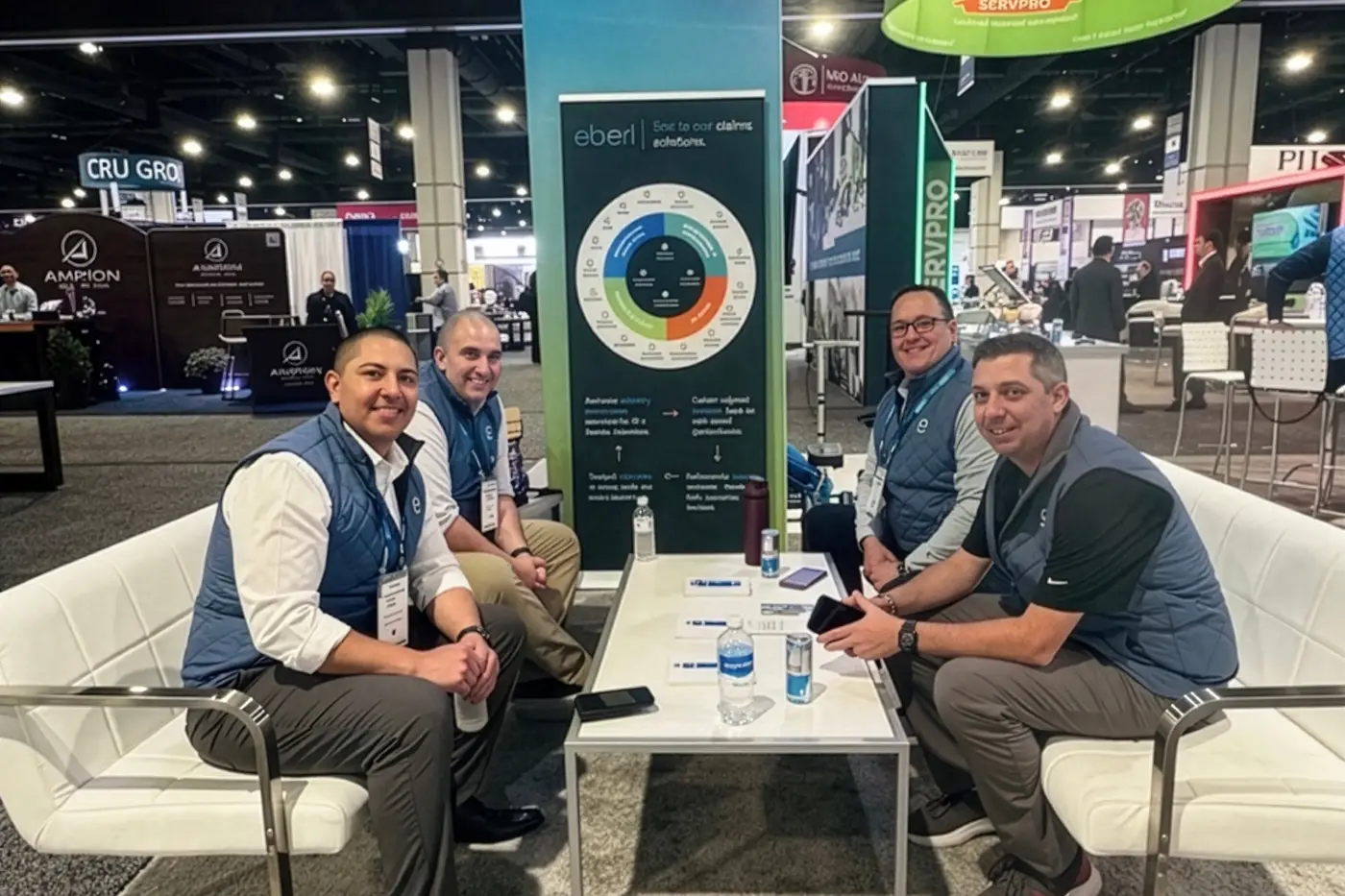
We just wrapped up our participation at the 2026 PLRB Claims Conference & Insurance Services Expo. This annual event, hosted by the Property & Liability Resource Bureau (PLRB), is one of the premier occasions to watch for top insurance industry trends. Every PLRB conference is action-packed with educational sessions and fun networking opportunities with industry peers. This year’s event made one thing clear: carriers are under pressure to improve performance across the claim lifecycle without adding friction for their teams or policyholders.
That pressure is coming from every direction. Weather events remain costly and unpredictable. Repair and indemnity costs continue to rise. Documentation standards are getting tighter. Policyholders expect faster answers and better communication. And throughout it all, carriers are being asked to do more with workflows that are already stretched.
The conversation has shifted from “What tools should we try?” to “What’s actually driving measurable performance improvement?”
The most important 2026 insurance industry trends center on consistency, defensibility, speed, and better coordination across the claim lifecycle. Let’s take a look at the insights the Eberl team took away from this year’s PLRB conference.
What’s Shaping the P&C Insurance Claims Environment in 2026
The 2026 P&C claims environment is defined by sustained cost pressure, but also greater discipline and digital innovation. Every carrier is faced with the same challenges related to higher costs and a fast-shifting climate of catastrophic weather events that require adaptability in deploying adjusters. These pressures aren’t new, but their impact on carriers, adjusters, and policyholders is intensifying. While dealing with these costs and related issues, carriers also feel competitive pressure to embrace the newest in AI, drone technology, and other digital innovations.
The five main factors shaping the conversations we had at PLRB this year included:
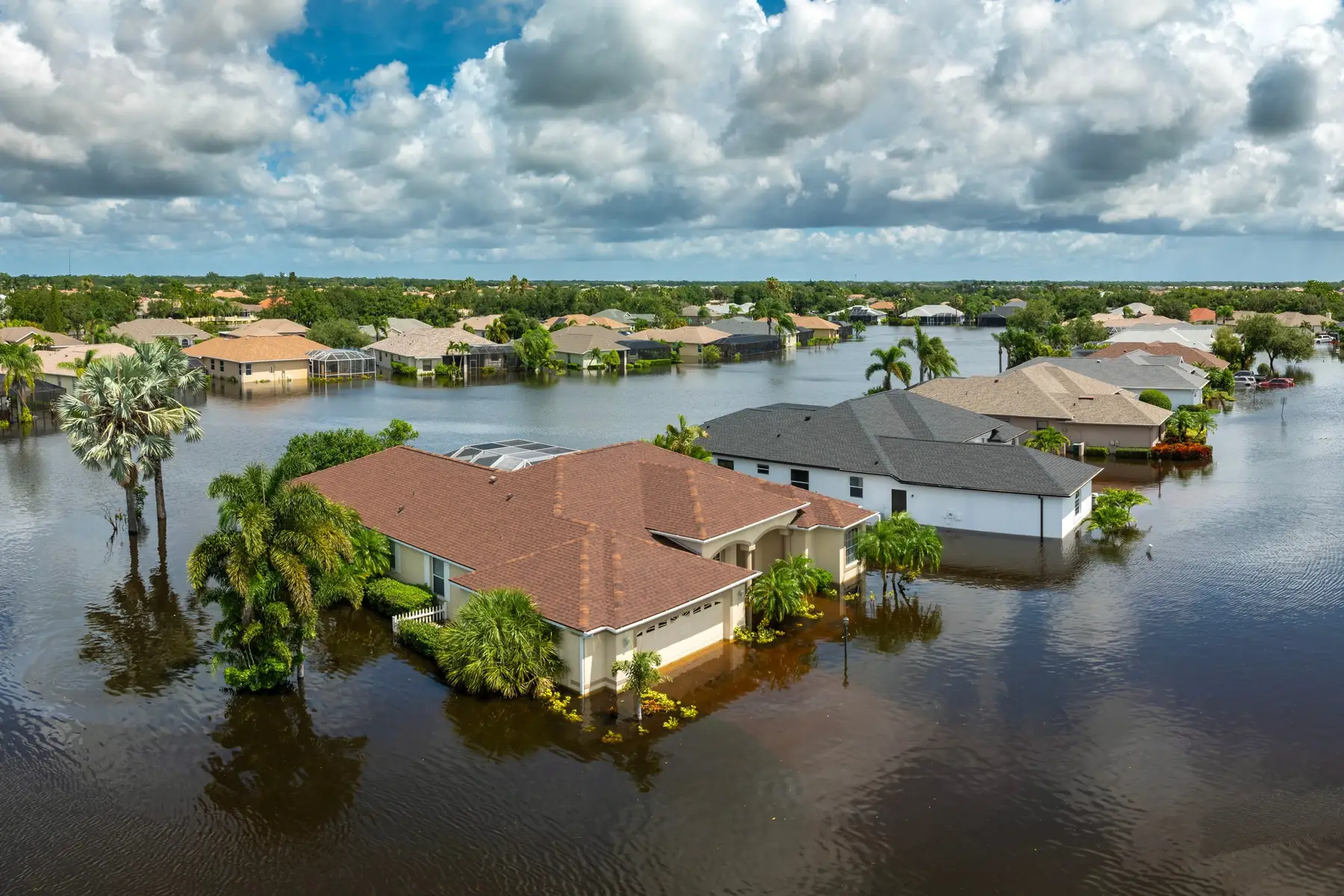
- Increased frequency and regional severity of weather events: more severe storms, wildfires, and other natural disasters are causing higher costs for the P&C insurance industry.
- Escalating repair and indemnity costs: When everything costs more to fix, claims go up. This causes additional cost pressure on P&C insurance carriers.
- Litigation pressure and regulatory scrutiny in key markets: No one is happy about higher insurance costs, but carriers must keep covering their claims costs while dealing with regulators in a fair, compliant, transparent way.
- Ongoing workforce strain: More demands on the P&C insurance industry can also lead to added stress for insurance professionals, including shortages of qualified insurance claims adjusters.
- Policyholder expectations shaped by real-time digital experiences: Insurance customers expect seamless, mobile digital experiences, and people have higher expectations for the digital experience from their P&C insurance carrier. Instead of waiting on hold or watching the mailbox, people want to tap a few buttons on their phones to get a fast, accurate resolution of their claims.
What Feels Different in 2026
Carriers are no longer just experimenting with digital tools and experiences. Instead, they’re optimizing. Carriers in the P&C insurance world are more savvy than ever about how to get better business outcomes from their investments in digital tools. As we said, the conversation has shifted from “What tools should we try?” to “What’s actually driving measurable performance improvement?”
Carrier leaders are prioritizing:
- Cycle time discipline without sacrificing file quality
- Vendor accountability and measurable outcomes
- Integration across the claim lifecycle
- Litigation defensibility and documentation standards
- Operational stability during surges
- Policyholder experience – especially at the repair stage
There’s a clear move in the industry toward partners who can deliver visibility, consistency, and performance, not just capacity. Understanding these key industry challenges and folding them into our technology-enabled, human-led processes means that partners like Eberl can stay ready to offer solutions at any stage of the claims lifecycle.
Eberl’s Biggest Takeaways from the PLRB Conference for the Future of P&C Insurance
Every PLRB conference is a great chance for Eberl to reconnect with clients and meet new potential partners. This year, our focus at PLRB was on building clarity around who we are today. Historically, most of our partners have known Eberl for our expertise in CAT response. That reputation is important, valuable, and still core to what Eberl does well.
But at the PLRB 2026 conference, experts from Eberl had numerous conversations with potential partners and current clients that illuminated new opportunities to help carriers serve more policyholders, faster, with better experiences.
1. End-to-End Claims Partnership
Carriers are navigating an environment of increasing costs and complexity, and they’re asking for partners who can support them across the entire spectrum of challenges they face – support at any stage of the claims process. What really stood out to us most is that carriers are talking about the increasing importance of integration and accountability. This is part of that larger trend away from “experimentation” and toward “optimization.” Carriers are actively asking and evaluating:
- Which vendors truly integrate into their workflows?
- Who can demonstrate measurable outcomes?
- Who reduces friction instead of adding another layer of management?
Carriers need partners that do more than support a single service line. Instead, integrated support that delivers structured, scalable solutions to P&C insurance carriers across the entire claims lifecycle is the new priority.
In-demand capabilities include daily and CAT adjusting, specialty oversight, inspection services, flexible TPA and managed repair models, and workforce development through programs like CATI. What makes today’s needs different isn’t just the breadth of services supported – it’s how they integrate and perform together.
2. Modular, As-Needed Support
Although carriers do want effective solutions for the entire claims lifecycle, it’s also important to have flexibility in their partner engagements. Our conversations at PLRB revealed that many carriers are looking for targeted solutions, such as:
- Inspection-only support
- Specialty claim oversight
- Surge staffing
- Managed repair implementation
- Training and workforce development
We saw a lot of interest from the industry in the idea that partners like Eberl can be a flexible, adaptable resource for support. We can either operate as a full lifecycle partner or as a strategic, as-needed extension of a carrier’s internal operation. Perhaps one of the most interesting 2026 insurance industry trends is that flexibility matters as much as scale.
Biggest P&C Insurance Trends for Adjusters
For adjusters, PLRB is more than networking – it’s a pulse check on the insurance industry and a powerful overview of where the profession is heading. Based on what we heard at PLRB 2026, here are a few top insurance industry trends that adjusters should be paying attention to:
- Increased expectations around documentation and defensibility
- Integration of inspection and drone technology
- Growing emphasis on performance and consistency
Increased expectations around documentation and defensibility are fundamentally reshaping the day-to-day workflow for P&C adjusters. With regulatory scrutiny, litigation pressure, and policyholder satisfaction on the line, every file must be built to withstand the closest examination. This means adjusters are moving past simple data collection to becoming forensic documentarians. They must ensure that every observation, communication, and decision is clearly logged, time-stamped, and compliant with evolving jurisdictional standards.
This elevated standard isn’t just about avoiding legal risk; it’s about providing clear, transparent, and fair outcomes for policyholders, making the adjuster’s role more focused on quality assurance than ever before. The only way to achieve this at scale is to integrate reliable technology with expert human insights into the claims adjusting process.
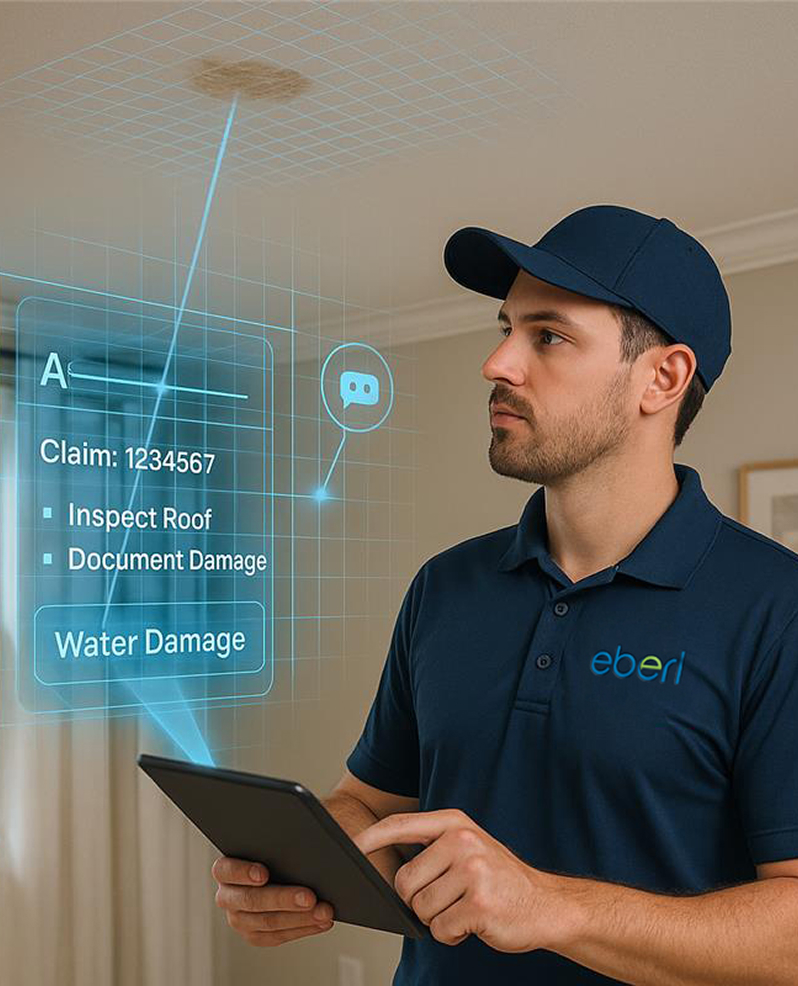
Speaking of technology, drones and AI-driven inspection tools are no longer niche gadgets; they’re now core components of the claims process, delivering high-resolution data and 3D models of damage in near real-time. For the adjuster, this means a shift from manually intensive physical inspections to synthesizing complex digital data. The focus moves adjusters from the physical dangers of climbing a roof to the intellectual pressure of analyzing aerial imagery and machine-generated damage assessments. The ability to leverage the newest technology to increase safety, speed up cycle times, and ensure a more consistent, objective assessment of loss is key – all while maintaining the critical human judgment needed for settlement.
Ultimately, these shifts contribute to a growing industry emphasis on performance and consistency. Carriers are demanding measurable outcomes from their entire claims ecosystem. Performance is now defined by key metrics like cycle time discipline, file quality scores, and accuracy in damage estimation—all of which must be delivered consistently across a diverse range of claims and environments.
For adjusters, this means embracing standardized workflows, prioritizing professional development in new technologies, and actively contributing to a culture of continuous improvement.
What These 2026 Insurance Industry Trends Mean for Carriers
The 2026 insurance industry trends coming out of PLRB point to a more disciplined claims environment. Carriers are still embracing technology, but they are doing it with a clearer standard for success. They want solutions that fit their workflows, support their teams, and produce measurable business outcomes.
The biggest lesson from PLRB is that carriers are moving beyond isolated solutions. They’re looking for practical ways to improve claim performance across the board:
- more accurate inspections
- better documentation
- fewer handoff gaps
- stronger workflow integration
- more flexible support models
- more consistent outcomes during both daily operations and CAT response
That shift is good for the industry because it focuses attention on what matters most: helping carriers serve policyholders with speed, clarity, and confidence.
The future of P&C insurance will be shaped by partners and processes that reduce friction, strengthen defensibility, and improve performance at every stage of the claim.
Get More Insights from the Experts at Eberl
The future of P&C insurance relies on technical skill, deep industry knowledge, and the ability to operate within integrated systems that turn data into demonstrable, high-quality results. Tech innovations are changing the P&C landscape for the better. Get more real-world insights and see practical outcomes from the latest technology-enabled workflows in this case study.